Treated by Dr. Praneeth Putti at Sharp Vision Eye Hospital
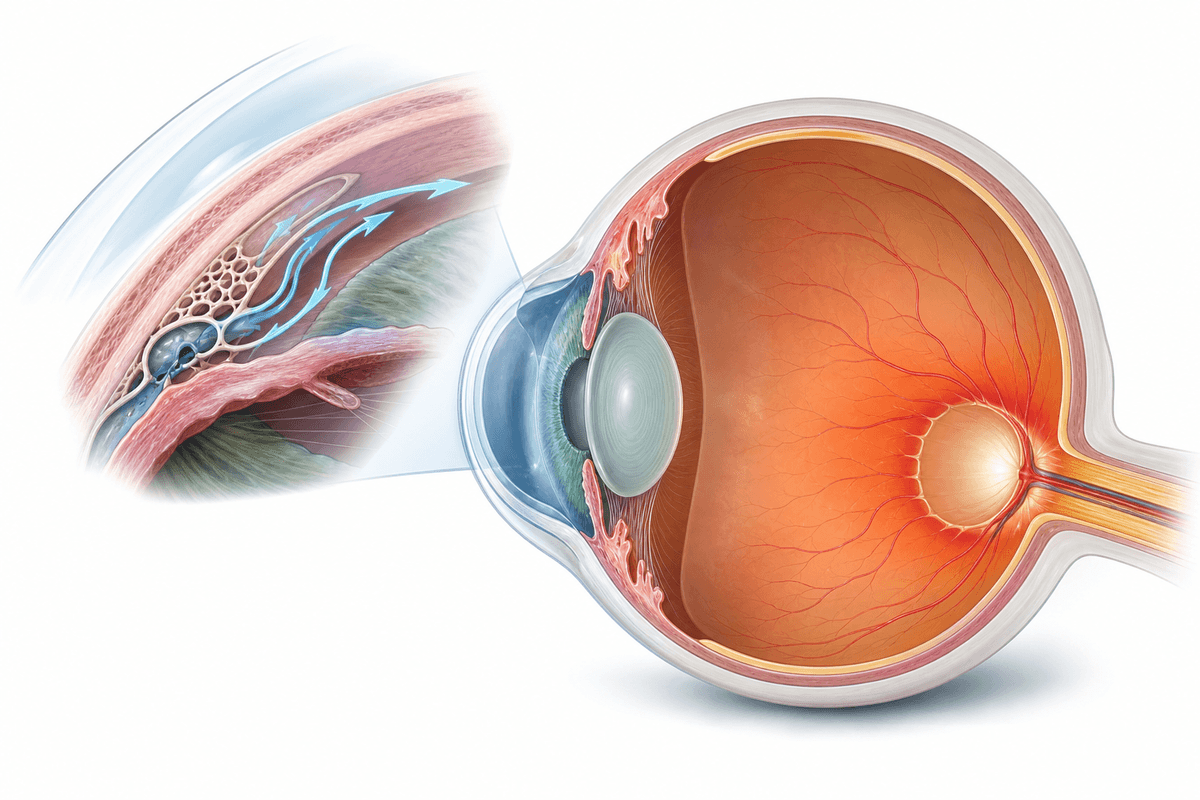
Glaucoma in Hyderabad is a progressive eye disease characterized by increased intraocular pressure that damages the optic nerve, leading to irreversible vision loss if left untreated. It is one of the leading causes of blindness worldwide, often developing without early warning signs. Sharp Vision Eye Hospital, led by Dr. Praneeth Putti, provides comprehensive glaucoma diagnosis and treatment using state-of-the-art technology to preserve vision and prevent disease progression.
The most common form where drainage canals gradually become clogged, causing a slow increase in eye pressure. It develops painlessly and progressively, often without symptoms until significant vision loss occurs. Requires lifelong monitoring and treatment to prevent optic nerve damage.
Occurs when the iris bulges forward and blocks the drainage angle between the cornea and iris. Can develop suddenly (acute) or gradually (chronic), with acute attacks causing severe eye pain, headaches, and rapid vision loss. Requires immediate medical intervention to prevent permanent damage.
A form where optic nerve damage occurs despite normal intraocular pressure levels. The exact mechanism is unclear but may involve poor blood flow to the optic nerve. Requires careful monitoring as standard pressure-reduction treatments may be less effective.
Multiple factors can contribute to the development and progression of this condition.
Glaucoma develops gradually. Recognising symptoms early gives you more treatment options.
From conservative to surgical — we always start with the least invasive option first.
A structured, patient-first approach from first visit to full recovery.
Sharp Vision Eye Hospital conducts thorough eye examinations including tonometry to measure intraocular pressure, optical coherence tomography (OCT) to assess optic nerve health, visual field testing to detect vision loss, and gonioscopy to evaluate drainage angles. Dr. Praneeth Putti personally reviews all diagnostic findings to establish accurate diagnosis and disease stage.
Dr. Praneeth Putti develops individualized treatment protocols based on glaucoma type, severity, patient age, and overall eye health. The team discusses all available options from medications to advanced surgical interventions, considering patient lifestyle and preferences. Treatment plans are designed to achieve optimal pressure control while minimizing side effects and maximizing quality of life.
Sharp Vision Eye Hospital utilizes cutting-edge technology for glaucoma management, including laser procedures performed in-office and advanced surgical techniques in our state-of-the-art operating theaters. Dr. Praneeth Putti has extensive experience with both minimally invasive glaucoma surgery (MIGS) and traditional procedures, ensuring patients receive the most appropriate intervention for their condition.
Regular follow-up appointments are scheduled to monitor intraocular pressure, assess optic nerve health, and evaluate treatment effectiveness. The team adjusts medications or recommends additional interventions as needed to maintain target pressure levels. Patient education is emphasized to ensure proper medication adherence and recognition of warning signs requiring immediate attention.
What to expect at each phase of recovery.
Following surgical procedures, patients experience mild discomfort, light sensitivity, and blurred vision managed with prescribed eye drops and pain relievers. Medications and laser treatments require minimal recovery with patients resuming normal activities within days. Strict adherence to post-operative instructions and avoiding strenuous activities is essential for proper healing.
Intraocular pressure stabilizes as the eye heals and adapts to treatment changes. Vision gradually improves with reduced inflammation and better pressure control. Frequent follow-up visits monitor healing progress, pressure levels, and treatment effectiveness, with adjustments made as needed.
Patients transition to regular monitoring schedules with examinations every 3-6 months to ensure sustained pressure control and prevent disease progression. Lifelong medication use or periodic laser treatments may be necessary to maintain target pressure. Ongoing patient education emphasizes the importance of compliance and early detection of any vision changes.
With early detection and consistent treatment, most patients maintain their current level of vision and prevent further deterioration. The goal is to slow or halt disease progression rather than restore lost vision, emphasizing the importance of timely intervention and adherence to treatment protocols.
Successful treatment achieves and maintains target intraocular pressure levels specific to each patient, typically below 21 mmHg or lower based on individual risk factors. Consistent pressure control protects the optic nerve from further damage and significantly reduces the risk of vision loss.
Laser treatments and surgical interventions often reduce or eliminate the need for daily eye drops, improving quality of life and medication adherence. Many patients experience long-term pressure control with fewer medications, though some may still require combination therapy for optimal results.
Effective glaucoma management allows patients to maintain independence, continue driving, and perform daily activities without vision-related limitations. Early intervention and consistent follow-up prevent the anxiety and lifestyle restrictions associated with progressive vision loss, ensuring patients remain active and engaged.
Untreated glaucoma leads to progressive and irreversible vision loss, starting with peripheral vision and eventually affecting central vision, resulting in complete blindness. The damage to the optic nerve is permanent and cannot be reversed once it occurs. Early detection and treatment are critical to preserving vision, as glaucoma is a leading cause of preventable blindness worldwide.
Schedule an immediate appointment if you experience sudden eye pain, severe headaches, blurred vision, halos around lights, or nausea and vomiting, as these may indicate acute angle-closure glaucoma requiring emergency treatment. Adults over 40, especially those with family history of glaucoma, diabetes, or high myopia, should have comprehensive eye exams every 1-2 years for early detection. Any gradual changes in peripheral vision or difficulty adjusting to darkness warrant prompt evaluation by an ophthalmologist.
Early treatment means more options and better outcomes. Book a consultation to understand your condition and explore the right path forward.