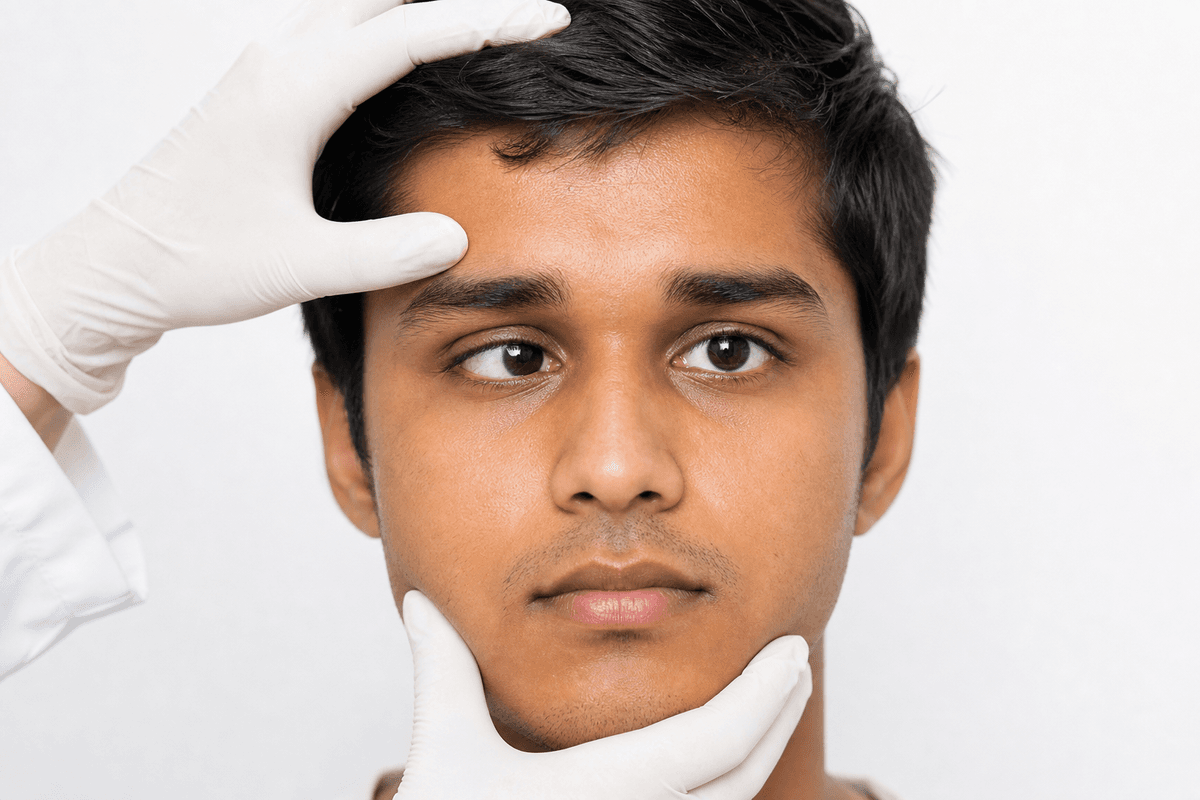
Performed by Dr. Praneeth Putti at Sharp Vision Eye Hospital
Squint operation in Hyderabad is a specialized surgical procedure designed to correct eye misalignment (strabismus) by adjusting the eye muscles to restore proper alignment and coordination. This procedure helps improve binocular vision, depth perception, and cosmetic appearance while preventing long-term visual complications. Dr. Praneeth Putti at Sharp Vision Eye Hospital offers expert squint correction with advanced surgical techniques and personalized care.
We believe in honest, upfront disclosure so you can make an informed decision.
A step-by-step look at what happens during this procedure.
Comprehensive evaluation of eye alignment, muscle function, and visual acuity to determine the specific muscles requiring adjustment and the degree of correction needed.
General anaesthesia is typically used for children, while local anaesthesia with sedation may be suitable for adults, ensuring patient comfort throughout the procedure.
A small incision is made in the conjunctiva (clear tissue covering the white of the eye) to access the extraocular muscles responsible for eye movement without cutting through the eyeball itself.
The surgeon weakens overacting muscles by recession (moving the muscle insertion backward) or strengthens underacting muscles by resection (shortening the muscle) to achieve proper alignment.
The conjunctiva is closed with dissolvable sutures, and the eye is dressed with protective ointment. The patient is monitored in recovery before same-day discharge with post-operative instructions.
A structured, patient-first approach from first consultation to full recovery.
Sharp Vision Eye Hospital conducts comprehensive orthoptic assessments including cover tests, prism measurements, and ocular motility evaluations to create a customized surgical plan tailored to each patient's specific misalignment pattern.
Our experienced ophthalmologist Dr. Praneeth Putti employs precise microsurgical techniques with adjustable sutures when appropriate, ensuring optimal alignment outcomes with minimal tissue trauma and faster healing.
We provide structured follow-up protocols with scheduled appointments to monitor healing, assess alignment stability, and address any concerns promptly to ensure the best possible functional and cosmetic results.
Sharp Vision Eye Hospital offers integrated care including orthoptic exercises, amblyopia treatment if needed, and prescription glasses to maximize binocular vision development and long-term visual outcomes after surgery.
What to expect at each stage of your recovery journey.
The first 24-48 hours involve mild discomfort, redness, and sensitivity to light. Patients should rest, apply prescribed eye drops, avoid rubbing the eyes, and use cold compresses to reduce swelling. Most discomfort subsides within a few days.
During the first 1-2 weeks, gradual return to normal activities is encouraged while avoiding strenuous exercise, swimming, and activities that may strain the eyes. Vision may fluctuate as the eyes adjust to their new alignment and swelling resolves.
Full healing typically occurs within 4-6 weeks with complete resolution of redness and stabilization of eye alignment. Patients undergo regular follow-ups to assess muscle function, binocular vision development, and determine if additional vision therapy or corrective lenses are needed for optimal outcomes.
The primary outcome is restoration of proper eye positioning, eliminating visible misalignment and creating a more symmetric, aesthetically pleasing appearance that significantly boosts self-confidence and social interactions.
Correcting eye alignment allows both eyes to work together effectively, improving depth perception, three-dimensional vision, and overall visual function essential for activities like driving, sports, and reading.
Many patients experience relief from diplopia (double vision) that may have affected their daily activities, as proper muscle balance enables the brain to fuse images from both eyes into a single clear picture.
Early squint correction in children prevents or treats lazy eye (amblyopia) by ensuring both eyes receive equal visual stimulation, supporting normal visual development and preventing permanent vision loss in the affected eye.
Let's clear up some of the most common myths about squint operation.
Get a personalised assessment from an experienced specialist. Understand your options, ask your questions, and decide with confidence.