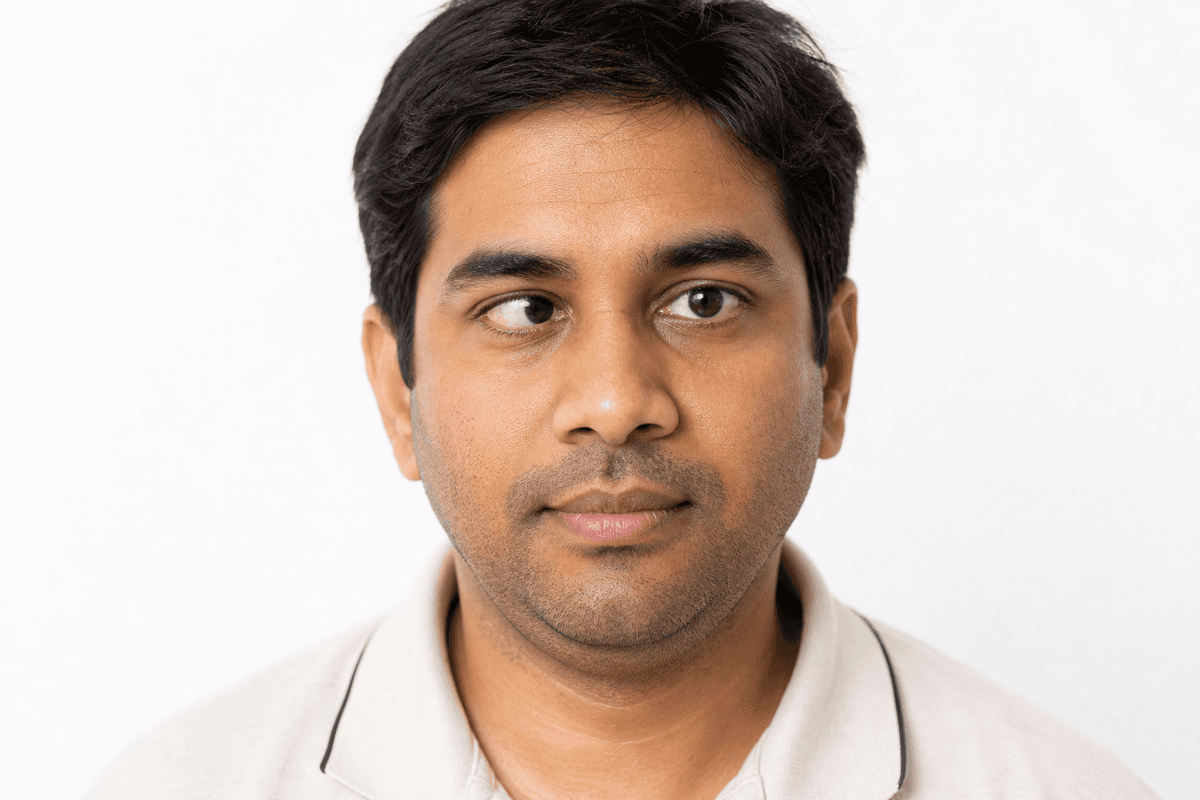
Treated by Dr. Praneeth Putti at Sharp Vision Eye Hospital
Squint, also known as strabismus, is a condition where the eyes are misaligned and point in different directions, commonly affecting children and adults in Hyderabad. One eye may turn inward, outward, upward, or downward while the other focuses normally, leading to double vision, reduced depth perception, and potential vision loss if untreated. Dr. Praneeth Putti at Sharp Vision Eye Hospital provides comprehensive evaluation and advanced treatment options to restore proper eye alignment and improve visual function.
Inward turning of one or both eyes, the most common type of squint in children, which can be constant or intermittent and may require early intervention to prevent amblyopia.
Outward deviation of one or both eyes, often noticed when the child is tired or daydreaming, which may start intermittently and progress to constant misalignment.
Upward deviation of one eye relative to the other, often caused by nerve palsies or muscle weakness, resulting in vertical double vision and head tilting to compensate.
Multiple factors can contribute to the development and progression of this condition.
Squint develops gradually. Recognising symptoms early gives you more treatment options.
From conservative to surgical — we always start with the least invasive option first.
A structured, patient-first approach from first visit to full recovery.
Sharp Vision Eye Hospital conducts thorough assessment including visual acuity testing, refraction, cover tests, ocular motility evaluation, and detailed examination of eye structures to determine the type, degree, and cause of squint.
Dr. Praneeth Putti develops an individualized treatment plan based on the patient's age, type of squint, degree of deviation, and presence of amblyopia, discussing all available options including non-surgical and surgical approaches with patients and families.
When surgery is indicated, Sharp Vision Eye Hospital employs state-of-the-art microsurgical techniques with precise muscle adjustments, ensuring optimal alignment outcomes, minimal discomfort, and faster recovery using modern anesthesia protocols and surgical equipment.
Comprehensive post-operative care includes regular follow-up visits to monitor healing and alignment stability, vision therapy when needed to enhance binocular function, and long-term monitoring to ensure sustained results and address any residual deviation promptly.
What to expect at each phase of recovery.
Mild redness, discomfort, and watering are common after squint surgery. Eye drops are prescribed to prevent infection and reduce inflammation. Most patients resume normal activities within 3-5 days, avoiding strenuous exercise and swimming during the first week.
Eye alignment continues to stabilize as muscles heal and adapt to their new positions. Redness gradually subsides and vision clarity improves. Patients attend follow-up appointments to assess alignment and may begin vision therapy exercises to strengthen binocular vision and depth perception.
Final eye alignment is established with full muscle healing and functional recovery. Binocular vision and stereopsis improve significantly in most cases. Dr. Praneeth Putti evaluates long-term outcomes and determines if any fine-tuning adjustments or continued vision therapy is beneficial for optimal results.
Over 85% of patients achieve successful cosmetic alignment with straight-appearing eyes after squint surgery, significantly improving facial appearance and self-confidence, with some cases requiring minor adjustments.
Many patients, especially those treated early, develop or restore binocular single vision and stereopsis, allowing better depth perception for daily activities, sports, and professional tasks requiring precise hand-eye coordination.
Early detection and treatment of squint, particularly in children, prevents the development of lazy eye or reverses existing amblyopia, preserving vision potential in both eyes for lifelong visual function and quality of life.
Correction of squint eliminates double vision, reduces eye strain and headaches, improves reading and screen time comfort, enhances social interactions, and expands career opportunities by removing limitations caused by misaligned eyes.
Untreated squint can lead to permanent vision loss in the affected eye due to amblyopia, especially when it develops in childhood. Adults may experience persistent double vision, difficulty with depth perception affecting daily activities and driving, and chronic eye strain with headaches. The cosmetic appearance of misaligned eyes can significantly impact self-esteem, social interactions, and professional opportunities throughout life.
Parents should consult an ophthalmologist immediately if they notice their child's eyes are not aligned, if one eye turns in or out, or if the child frequently squints or tilts their head to see. Adults experiencing sudden onset of double vision, eye misalignment after injury or illness, or worsening of existing squint should seek prompt evaluation. Early intervention, particularly before age 7-8 years, offers the best chance for developing normal binocular vision and preventing permanent visual impairment.
Early treatment means more options and better outcomes. Book a consultation to understand your condition and explore the right path forward.